Willemstad, Curaçao Cruise Port Guide: Top Things to See & Do
Jun 03, 2026
Published March 2025 | Updated June 2026
Captivating Curaçao: What You Need to Know About the Willemstad Cruise Port
- City center is half a mile away. Most top Willemstad sights are walkable from the pier. You may not need an excursion at all.
- Rif Seaport is the best cruise terminal area around. Turn right off the pier. Historic fort turned modern entertainment complex.
- Curaçao is not the best ABC island for beaches. The nicest ones require an admission fee or are far from the port. For a pure beach day, Bonaire wins.
- “Dushi.” Curaçao’s term of endearment for all good things. You’ll see it everywhere.
- No camouflage. Prohibited for civilians. Leave it on the ship.
In This Guide
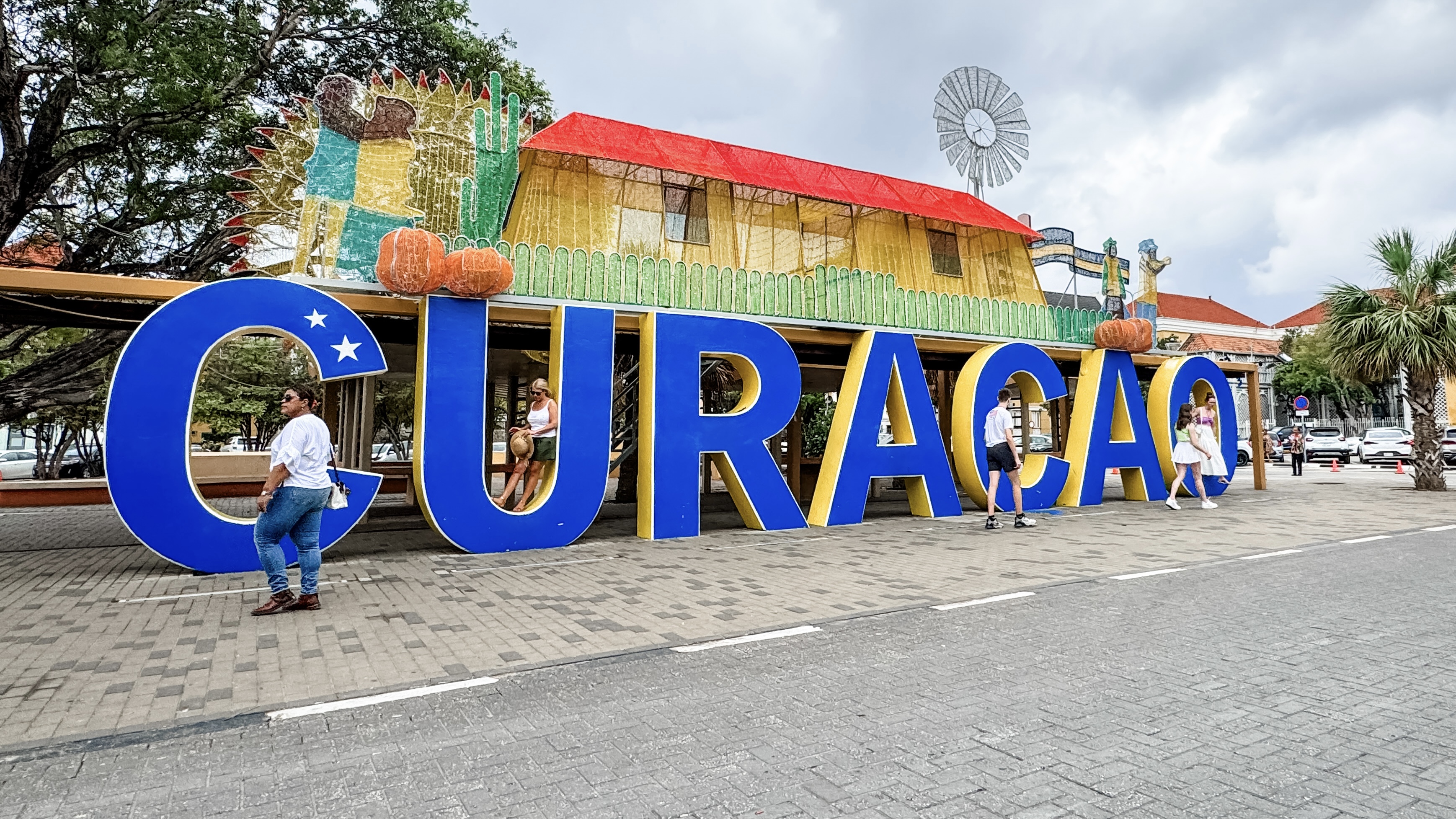
Willemstad is the capital city of Curaçao, pronounced “kur-uh-sau.” It’s a popular cruise port because there’s a lot to do here, including walking around and enjoying the island’s colorful colonial architecture and sites like the famous floating bridge, which can make for an affordable port of call stop.
This Dutch Caribbean gem is a popular stop on southern Caribbean itineraries, offering a unique blend of European charm and Caribbean allure. It’s one of the “ABC” islands, along with Aruba and Bonaire. Oddly enough, I’ve seen (and personally taken) many cruise itineraries that call upon Aruba and Curaçao, but skip Bonaire.
About the Willemstad Cruise Port
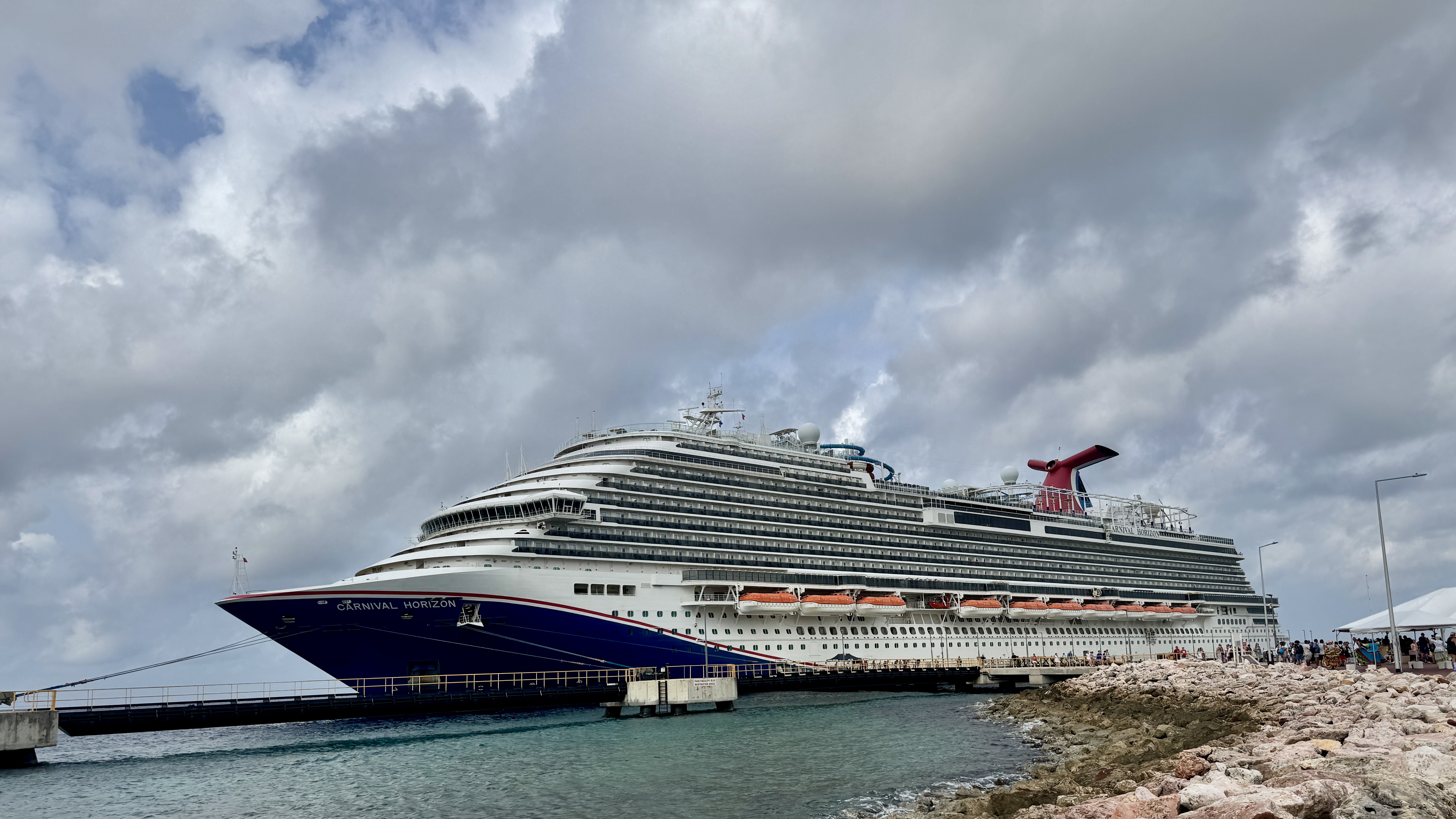
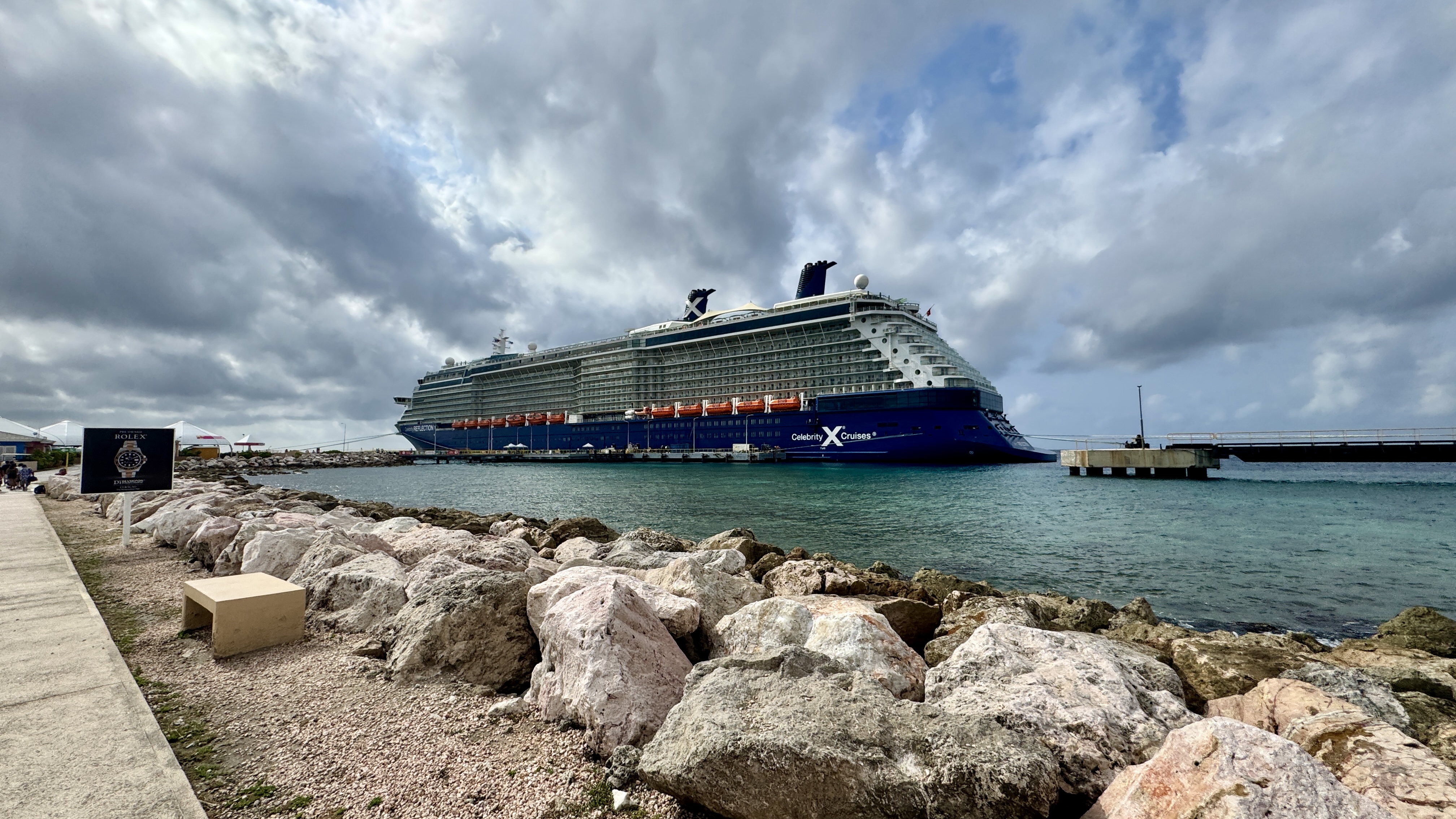
The Willemstad cruise port in Curaçao features two main docking areas: the Mega Pier and the Mathey Wharf (also known as the Cruise Terminal or Handelskade Terminal). The Mega Pier is typically used for larger cruise ships that cannot pass under the Queen Juliana Bridge, while Mathey Wharf accommodates smaller vessels.
The two are relatively close to each other, within walking distance of downtown Willemstad, so for most cruise visitors, it doesn’t make much of a difference which terminal you use. The Curaçao Ports Authority has a handy map showing the cruise port location and things to do nearby in Willemstad.
Once off the pier, if you hang a right, you’ll enter into one of my all-time favorite cruise terminal areas, Rif Seaport. When exploring Curaçao, you’ll likely hear what sounds like a wide array of languages. One of the most unique is Papiamentu, a Creole language spoken in Curaçao, Aruba, and Bonaire. It’s a fascinating blend of Dutch, Spanish, Portuguese, and English, reflecting the islands’ multicultural history. Most locals are also fluent in English, so communication is rarely an issue for visitors.
One Papiamentu word you’ll want to take home with you is “dushi.” While you certainly wouldn’t want to call someone that in America, where it’s spelled quite differently and has a very different meaning, in Curaçao it’s a term of endearment. It’s a versatile term that means sweet, nice, good, or even sexy, and you’ll see and hear it everywhere. It’s basically Curaçao’s way of saying “all the good things.”
Note: Like several other Caribbean nations, civilians in Curaçao are prohibited from wearing camouflage clothing. Leave anything camo-patterned at home or back on the ship.
Willemstad Cruise Port to the City Center
One thing I love about the Willemstad cruise port is that it’s so close to everything. Once you step off the cruise ship and walk down the pier, you’re right in the heart of Curaçao, as the city center is conveniently located just half a mile from the cruise port.
Many of Curaçao’s top sites are also walkable, meaning this is one of those port stops where spending money on an excursion isn’t necessary. Cruisers with mobility limitations or who prefer not to walk can enjoy shuttle services provided by some cruise lines or taxis, which are regulated and have set fares. Uber is unavailable in Willemstad, and public transportation is pretty limited, so the best ways to get around Curaçao involve walking, taking a taxi, booking an excursion, or hiring a private driver.
Related: Watch all my Willemstad video content
Best Beaches Near the Curaçao Cruise Port

Curaçao is stunning, and there’s a lot to do here, but it’s not exactly the ideal spot for a beach day. If you’re doing the ABC islands, your best bet for a beach day is Bonaire. The finest beaches on Curaçao aren’t the vast stretches of sand but rather cozy, secluded inlets known as “Bocas” in Papiamentu. Many of the most popular beaches front hotels or are behind gated resorts with admission fees. Additionally, some of Curaçao’s biggest and best-known beaches are located at the island’s western tip, called Westpunt, making them impractical for a short port day. Here are the options close to the cruise port:
Mambo Beach
Mambo Beach is about 4 miles from the port and is a popular one with cruisers. A taxi ride there costs about $8 USD per person. At Mambo Beach, cruisers will find a lively atmosphere, with plenty of bars, restaurants, and shops nearby. This is a manmade beach, and some cruisers don’t like the commercialized nature of the area, but the water is clear and great for snorkeling. It fronts a resort, so expect an admission fee, and lounger rental will also come at a cost.
Blue Bay Beach
Another great option that’s a little less than 7 miles from the port is Blue Bay Beach, also around $8 USD per person by taxi. Located on Curaçao’s northwest coast near Willemstad, this beach tends to be less crowded than Mambo Beach and features soft white sand and calm turquoise waters framed by rocky cliffs. It’s a popular spot for snorkeling and diving, and part of a resort, so there is an admission fee, with other amenities available at an additional rental cost.
Kokomo Beach
Kokomo Beach is a free beach option close to the cruise port, located less than 8 miles northwest of the port. It is known for its soft white sand, clear turquoise waters, and tranquil atmosphere. The beach also features a dock with steps and a floating dock just a short distance from shore, making it easy to enjoy the water. A nearby coral reef is ideal for snorkeling, and beach chairs are available for rent.
Baoase Luxury Resort (Bida Beach)

Private resort day passes are a great option at many cruise port destinations, and they’re also available in Curaçao, although they’re more limited than what you’ll find at other Caribbean locations like Nassau. However, one excellent resort day pass option is Baoase (boe-ah-zuh), a luxury boutique beach resort that offers private beach day passes to cruise visitors, just about 3 miles from the terminal. In fact, you can see the cruise ships off in the distance while visiting here.
Admission here is pricey (it is luxury, after all), but you’ll enjoy what feels like a lush, upscale, and exclusive experience with gourmet food served with impeccable presentation and service. If you’re a fan of the show White Lotus, it gives off that kind of energy. But in a good way.
Baoase offers two options: the Bida (Bie-duh) Beach Day Pass and the Resort Beach Day Pass. On a recent visit to Curaçao, I visited Baoase at Bida Beach, which was a magical experience and nearly a perfect day. We were at times the only people there, so the secluded and exclusive nature felt special. The Bida Beach option doesn’t provide direct beach access, but a wooden stairway deposits you into the water if you want to swim in the ocean. That’s what we did, and it gave us our beach day fix. Related: Book a resort day pass in Curaçao at Baoase
Top Things to Do in Willemstad
One of the great things about Willemstad, which makes Curaçao a favorite among cruisers, is the fact that there’s a lot to do and see within a short walking distance of the cruise port.
Rif Seaport
Rif Seaport is basically the Willemstad cruise terminal, and of all the cruise terminals I’ve visited, this one is probably the best. It doesn’t feel at all like a cruise terminal but rather like a modern open-air entertainment and shopping area. It serves as a key gateway for cruise passengers visiting the island, with a pedestrian connection from the cruise pier to downtown.
If you explore Curaçao on foot (which I highly recommend, even if you take an excursion), you’ll venture through this area. It’s gorgeous, vibrant, and colorful. Although it feels modern and trendy, it’s part of the larger Rif Fort complex, a historic fort turned vibrant shopping and entertainment area, owned by the Renaissance hotel. When you walk through Rif Fort you’ll find restaurants and coffee shops, souvenir shops, and more upscale boutiques. It’s clean and impeccable, and it feels cool to walk through a historic fort while enjoying modern amenities.
Queen Emma Bridge
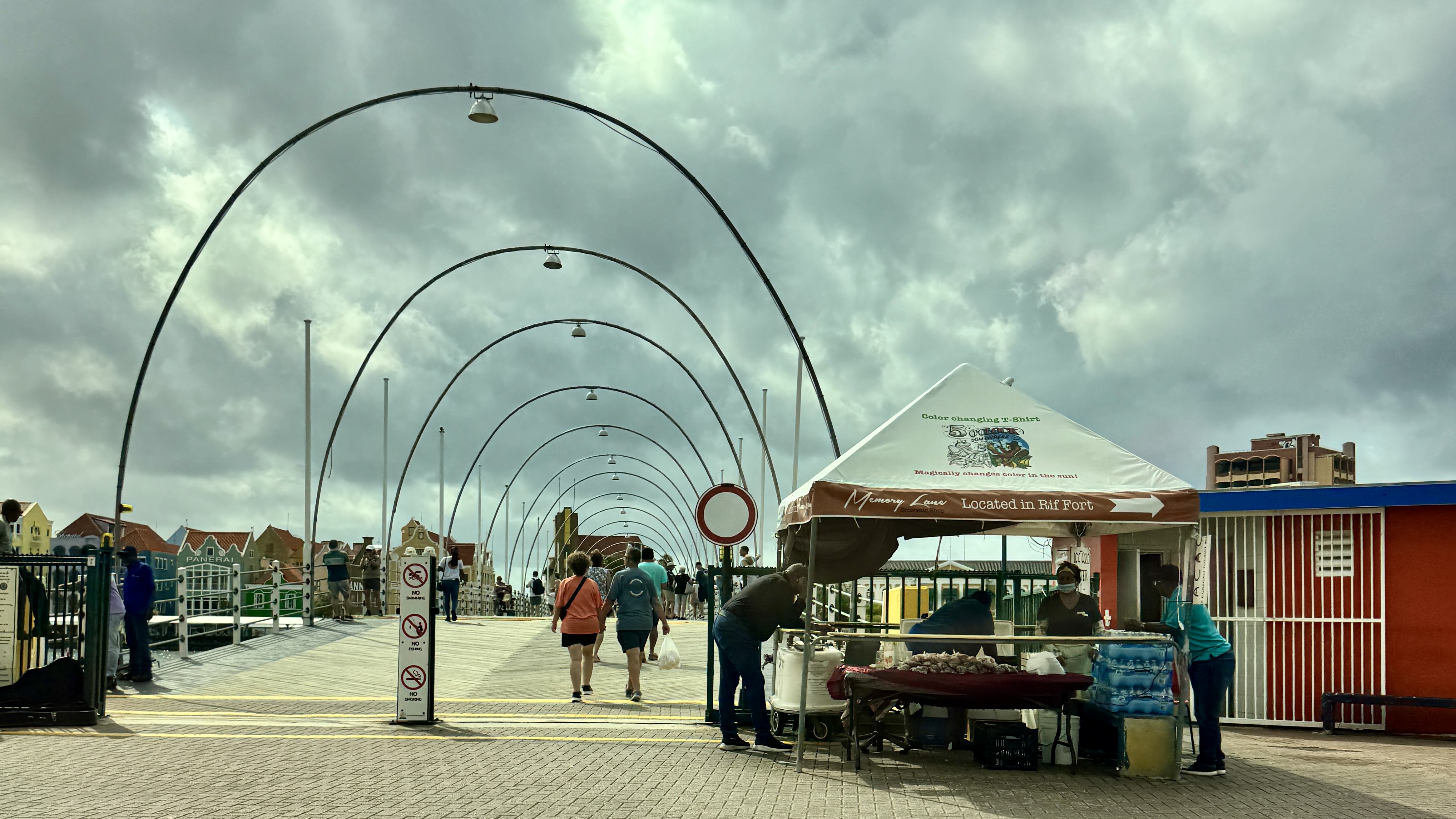
If you walk through Rif Fort from the cruise pier, you’ll end up right at Curaçao’s famous floating bridge, one of the must-see attractions on the island. The Queen Emma Bridge, also known as the “Swinging Old Lady” or just the “Floating Bridge,” is a floating pontoon bridge that connects the Punda and Otrobanda districts of Willemstad. It is a short walk from the cruise port, taking less than 10 minutes (taking you through Rif Fort), and there’s no cost to visit. This unique bridge swings open to allow ships to pass and offers stunning views of the harbor and cruise ships docked at the Mega Pier.
Punda Love Hearts
At the end of Queen Emma Bridge, Curaçao’s famous “Punda Love Heart” sculpture used to reside. Visitors would attach padlocks to its heart-shaped frame to symbolize love and connection, much like the tradition on bridges in Paris. In 2025, the sculpture unexpectedly collapsed under the weight of thousands of locks added over the years. At the time of writing, it has not yet been reinstalled, but locals and visitors alike are hopeful it will return.
Handelskade

Also located at Queen Emma’s bridge is Handelskade, a picturesque waterfront street lined with colorful Dutch colonial buildings, just a 15-minute walk from the port. To get there, walk through Rif Fort, cross the Queen Emma Floating Bridge, and you’ll find yourself at Handelskade. Walking around here feels like you’ve been transported to Amsterdam. The area has great photo opportunities, charming restaurants, cafes, shops, and boutiques.
Kura Hulanda Museum
Located about a mile from the port, the Kura Hulanda Museum explores the history of the African slave trade and Curaçao’s cultural heritage. It takes roughly 20 minutes to walk there. The museum charges an entry fee of around $10 USD. The exhibits are housed in a beautifully restored 19th-century merchant’s house, offering an immersive and educational experience.
Curaçao Liqueur Distillery

The Curaçao Liqueur Distillery is located about 3.5 miles from the Willemstad cruise port in the historic Landhuis Chobolobo. The distillery offers a fascinating look at the production of the island’s famous Blue Curaçao liqueur and is a popular stop on many cruise line “Best of Curaçao” tours. Because of its inclusion in so many group tours and the facility’s small size, it can get quite crowded. Admission is $18 USD (free for children under 12), and the on-site store is a prime spot for souvenir shopping. Although I’m not a big drinker, I always enjoy a stop here for the guided tour, learning about the distillation process, sampling various flavors, and exploring the grounds.
Curaçao Aloe Farms

If you’re looking for a unique and locally rooted experience, consider visiting one of Curaçao’s aloe farms. Aloe vera is one of the island’s major natural products, thanks to Curaçao’s dry climate and sunny conditions. One of the most accessible options is Curaloe Plantation, located about 6 miles from the cruise port. On my first visit to Curaçao, I visited here and it was interesting and educational, although a bit slow-paced. I even got to sample aloe (yes, people eat it!) and it was... interesting.
If you want to go as an independent adventure, it’s an easy taxi ride. Visitors can walk through the aloe fields, learn about the cultivation process, and browse the on-site shop featuring lotions, gels, and beauty items made with pure aloe, many of which make great souvenirs.
Private Drivers in Curaçao
Because there’s so much to see within walking distance of the cruise port, many cruisers choose to skip the pricey cruise line excursions and explore on their own on foot. But for those who want to see it all in one day, including sites that aren’t walkable, like the Curaçao Liqueur Distillery, aloe farms, or beaches further out, a private driver is a fantastic option.
Hiring a private driver in Curaçao can surprisingly be more affordable than booking a formal tour, especially through the cruise line, where they mark up the price. But for me, the biggest advantage of a private driver is the personalized experience. You’ll mostly avoid the crowds, set your own pace, and have the flexibility to stay longer at the places you love or skip out on sites where you don’t care to linger.
My top recommendation for a private driver in Curaçao is Tasha. She’s friendly, reliable, and knows the island inside and out. Tasha can take you everywhere a group tour would, and more, while serving as your personal local tour guide for the day. To get more info and check dates and prices, submit the private driver form.
Language and Currency
In Curaçao, the primary languages spoken are Papiamentu, Dutch, Spanish, and English. Most people commonly speak and understand English in touristy areas near the cruise port and throughout Willemstad. The official currency is the Netherlands Antillean guilder (ANG), also known as the florin. However, US dollars (USD) are widely accepted across the island, especially in tourist areas like the cruise port. Many businesses display prices in ANG and USD, and ATMs often dispense both currencies.
In many Caribbean ports, vendors may accept US dollars but could refuse bills that are worn, marked, or damaged. Change may also be given in local currency. Credit cards are widely accepted, but I highly recommend using a travel-focused credit card, like this one, instead of a debit card. Credit cards offer better fraud protection, plus perks like travel insurance, no foreign transaction fees, and rewards points.
Willemstad Cruise Port Ship Schedule
The Willemstad, Curaçao cruise ship schedule can be found at Cruisemapper.
Climate and What to Wear
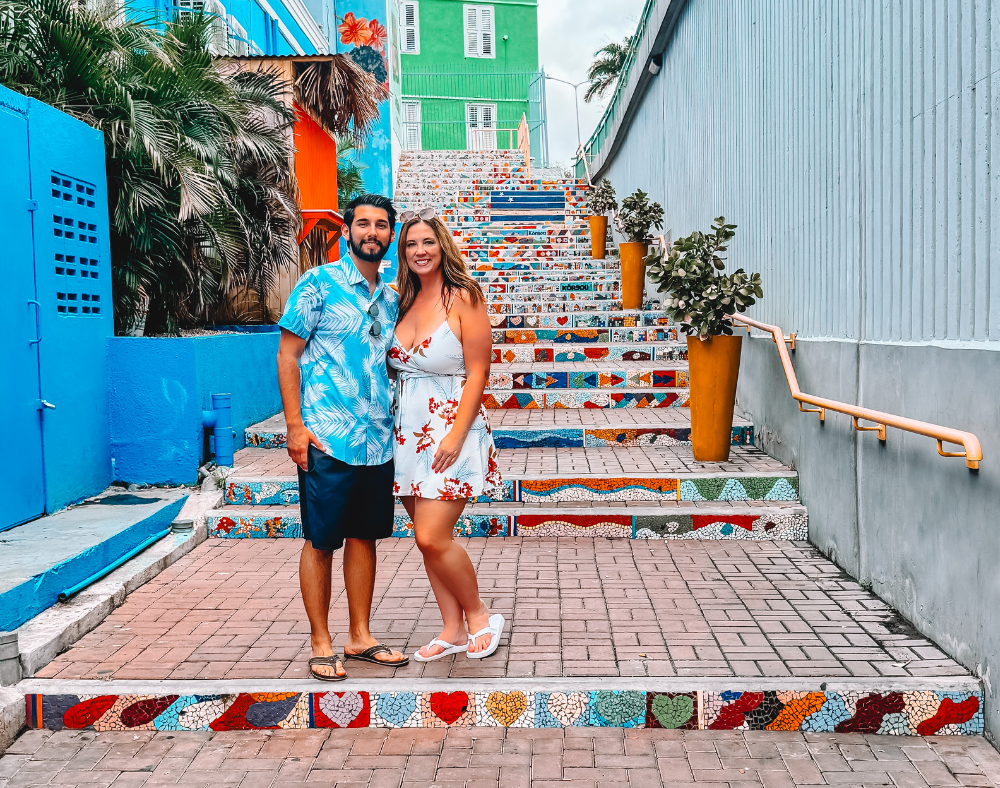
Willemstad enjoys a tropical savanna climate with warm temperatures year-round, averaging around 82°F. The climate is generally dry, with a rainy season from October to February. Lightweight, breathable clothing, comfortable walking shoes, and sun protection such as hats and sunscreen are recommended. Related: Shop my favorite cruise clothes and essentials
Time Zone
Curaçao operates on Atlantic Standard Time (AST). Most cruise lines operate on “ship time” set to the time of their departing port, so it’s generally good practice to keep your phone or watch set to ship time to avoid missing your departure.
Willemstad Cruise Port FAQ
Is the Willemstad cruise port walkable?
Yes! The city center is just half a mile away. Rif Fort, Queen Emma Bridge, and Handelskade are all within a 15-minute walk. It’s one of the most walkable cruise ports in the Caribbean.
What is the best beach near Willemstad?
Mambo Beach (~4 miles, ~$8 taxi) is most popular with cruisers. Baoase (Bida Beach) is the most upscale, ~3 miles. Kokomo Beach is free. None are walkable from the port.
Is Uber available in Willemstad?
No. Taxis have set regulated fares and are available at the port. Uber is unavailable in Willemstad. Public transportation is also limited.
What is the Queen Emma Bridge?
A famous floating pontoon bridge (the “Swinging Old Lady”) connecting Punda and Otrobanda districts. It swings open to let ships pass. Free to visit, less than 10 minutes from the cruise pier through Rif Fort.
What is “dushi” in Curaçao?
A Papiamentu term of endearment meaning sweet, nice, good, or even sexy. It’s used everywhere on the island and is essentially Curaçao’s way of saying “all the good things.”
This post contains affiliate links, which means I may earn a small commission if you book through them, at no extra cost to you.
BABY, LET'S CRUISE...
Let us help you plan the cruise (or trip) of a lifetime!
Subscribe to my Cruiseletter
Get juicy cruise info, insider tips, and FREE port guides, delivered straight to your inbox. Plus, you'll get my FREE Cruise Packing List & Planner, and I promise to never spam you.
By submitting this form, you're agreeing to receive emails from Professor Melissa. Don't worry, your info is safe with me. We'll never share or sell it. You can also unsubscribe at any time.